

If you’re wondering how to reduce screen time for your child, start by setting clear limits, creating screen-free routines and encouraging activities away from devices. Small changes can help children build healthier habits without giving up technology completely.
Too much recreational screen time can interfere with homework, sleep and daily routines, making it harder for children to stay focused. However, screens also play an important role in education, so finding the right balance matters.
In this guide, we’ll share seven practical tips to help you manage your child’s screen time, improve their concentration and develop better study habits.
Why Is Reducing Screen Time Important for Children?
Reducing screen time can help children build healthier routines and make more time for learning, sleep and physical activity. Although technology is part of everyday life, spending too much time on devices can sometimes affect a child’s ability to focus on other tasks.
If you’d like to understand this further, our guide to how technology affects child development explores its effects on children’s learning, wellbeing and daily habits.
For example, frequent notifications and social media can distract children while they complete homework. Using devices late at night may also affect their sleep, leaving them feeling tired and less focused at school. Some signs that your child’s screen habits need adjusting include:
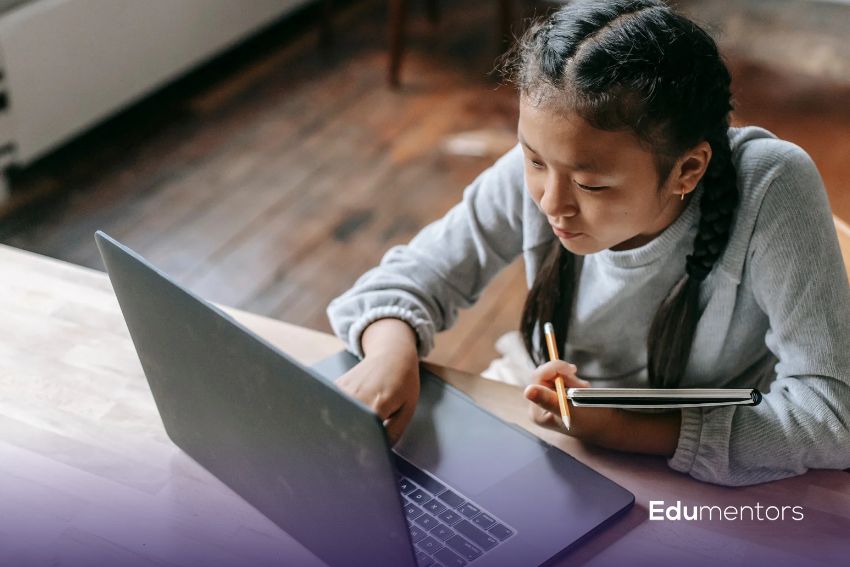
- Struggling to put devices away during homework or family time.
- Staying up late to watch videos or play games.
- Losing interest in hobbies or outdoor activities.
- Becoming easily distracted by notifications.
However, not all screen time is harmful. Educational videos, online lessons and homework can support learning. The goal is to balance recreational screen use with activities that help your child learn, rest and stay active.
7 Practical Tips on How to Reduce Screen Time for Kids
Learning how to reduce screen time for kids doesn’t mean removing technology from their lives. Instead, focus on setting healthy boundaries and encouraging better daily habits. These seven practical tips can help your child spend less time on entertainment screens while making more time for learning, family and other activities.
1. Set Clear and Realistic Screen Time Limits
Start by agreeing on daily screen time limits that suit your child’s age and routine. Rather than suddenly banning devices, introduce small changes that are easier to follow.
For example, if your child spends three hours a day watching videos or playing games, try reducing this by 30 minutes. Once they adjust, you can review the limit together.
Make sure your child understands why these rules matter. Explain that the goal is to create more time for homework, sleep and other activities.
Involving children in setting limits can also make them more willing to follow the rules.
2. Create Screen-Free Times at Home
Setting specific times when devices are put away can help children develop healthier habits. Start with everyday activities such as family meals, bedtime and shared activities.
For example, you could introduce a rule that everyone puts their phones away during dinner. You can also encourage your child to stop using entertainment screens before bedtime to help them wind down.
Try keeping phones and tablets outside the bedroom overnight, especially if your child struggles to stop scrolling or gaming. The NHS also recommends reducing screen use before bedtime and keeping devices out of bedrooms overnight to support healthier sleep habits.
These rules work best when everyone follows them. Over time, screen-free periods can become a normal part of family life rather than something your child sees as a punishment.
3. Keep Phones Away During Homework
Phones can make it difficult for children to concentrate on homework. Messages, games and social media notifications may interrupt their attention and make assignments take longer.
Encourage your child to put their phone in another room or switch on Do Not Disturb while studying. If they need a laptop for schoolwork, suggest closing unrelated tabs and turning off unnecessary notifications.
Short study sessions with planned breaks can also help. For example, your child could focus on homework for 25 minutes before taking a five-minute break.
The aim isn’t to remove all technology from studying. Instead, help your child use devices for learning without getting distracted by entertainment.
4. Encourage Hobbies and Outdoor Activities
One of the easiest ways to reduce recreational screen time is to give children enjoyable alternatives. When they have other activities to look forward to, they may feel less tempted to spend every free moment on their devices.
Encourage your child to try activities such as reading, drawing, cycling, sports or playing board games. Spending time outdoors or meeting friends can also help them stay active and develop social skills.
Let your child choose activities that match their interests rather than forcing them into something they don’t enjoy.
You could also plan regular family activities, such as weekend walks or cooking together, to make screen-free time more enjoyable.
5. Use Screen Time Settings and Parental Controls
Most smartphones, tablets and computers have built-in tools that help parents manage screen use. These settings can show how much time children spend on different apps and help you set reasonable limits.
For example, Apple’s Screen Time and Google’s Family Link allow parents to manage app usage and set device restrictions.
Start by checking which apps take up most of your child’s free time. You can then agree on limits for games, social media or video streaming.
However, parental controls work best alongside open conversations. Explain why you’re introducing restrictions so your child understands that the goal is healthier screen habits, not punishment.

6. Set a Good Example with Your Own Screen Habits
Children often learn habits by watching their parents. If you regularly check your phone during meals or conversations, your child may find it harder to understand why they should do things differently.
Try putting your phone away during family activities and limiting unnecessary scrolling when spending time together.
You can also explain when you’re using technology for work or important tasks. This helps children understand the difference between purposeful screen use and entertainment.
Making these changes together shows your child that healthy screen habits are important for everyone, not just children.
7. Build a Balanced Daily Routine
A consistent daily routine can help children manage their screen time without feeling overly restricted. Instead of focusing only on how many hours they spend online, consider how screen use fits around homework, sleep and other activities.
For example, your child could have a snack and a short break after school, complete their homework and then enjoy some recreational screen time.
Make sure the routine also includes physical activity, family time and enough sleep.
Ask your child to help plan their schedule so it feels realistic and manageable. Review the routine regularly, especially during exam periods or school holidays.
A balanced routine can help your child develop better time management skills and healthier habits over time.
How Much Screen Time Should Children Have?
The right amount of screen time depends on your child’s age, daily routine and how they use technology. While younger children need more guidance, older children can gradually learn to manage their own screen habits.
| Age Group | Recommended Approach |
| Under 5s | Limit recreational screen use and prioritise play, sleep and family interaction. Follow age-specific guidance |
| Primary school children | Set clear limits and make time for homework, outdoor activities and sleep |
| Teenagers | Encourage independent screen management while maintaining healthy study and sleep routines |
It’s also important to distinguish between educational and recreational screen time. Watching a lesson or completing online homework serves a different purpose from scrolling through social media.
Rather than focusing only on daily screen hours, consider whether technology interferes with your child’s sleep, physical activity or family time. A healthy balance matters more than following one strict limit.
How Does Screen Time Affect Your Child’s Focus?
Too much screen time, especially when it involves constant distractions, can make it harder for children to concentrate on schoolwork. Frequent notifications, messages and switching between apps can interrupt their attention and slow down their progress.
For example, a child revising for a Maths test might check their phone every few minutes. Each interruption makes it harder to stay focused and complete the task.
Using screens late at night may also affect sleep quality. When children don’t get enough rest, they may struggle to concentrate, remember information or stay alert during lessons.
However, not all screen use affects concentration in the same way. Educational videos, online lessons and interactive learning activities can support understanding when used with a clear purpose.
The key is to reduce unnecessary distractions rather than eliminate screens completely. Helping your child develop healthier screen habits can make studying more manageable and productive.
How to Help Your Child Focus on Homework
Helping your child focus on homework starts with creating a comfortable study environment and building a simple routine. Small changes can make schoolwork feel less stressful and easier to manage.
Here are four practical ways to help:
- Create a quiet study space: Choose a well-lit area with fewer distractions. Keep school supplies nearby and unnecessary devices out of reach.
- Break homework into smaller tasks: Divide longer assignments into manageable steps so your child doesn’t feel overwhelmed.
- Schedule regular breaks: Encourage short breaks between study sessions to help your child rest and return to their work.
- Set a clear starting point: Help your child choose one task to begin with, especially when they have several assignments.
Sometimes, children avoid homework because they find certain subjects difficult, not because they prefer screens. In these cases, personalised online tutoring can provide extra academic support and help children approach their schoolwork with greater confidence.
Why Is Reducing Screen Time Important for Children?
Reducing screen time can help children build healthier routines and make more time for learning, sleep and physical activity. Although technology is part of everyday life, spending too much time on devices can sometimes affect a child’s ability to focus on other tasks.
For example, frequent notifications and social media can distract children while they complete homework. Using devices late at night may also affect their sleep, leaving them feeling tired and less focused at school.
Some signs that your child’s screen habits need adjusting include:
- Struggling to put devices away during homework or family time.
- Staying up late to watch videos or play games.
- Losing interest in hobbies or outdoor activities.
- Becoming easily distracted by notifications.
However, not all screen time is harmful. Educational videos, online lessons and homework can support learning. The goal is to balance recreational screen use with activities that help your child learn, rest and stay active.
What If Your Child Refuses to Reduce Screen Time?
If your child refuses to reduce screen time, try to understand their concerns before introducing stricter rules. Sudden restrictions can lead to arguments, especially when children feel they’re losing something they enjoy.
Start with a calm conversation about how they use their devices. Ask which games, apps or online activities matter most to them. This can help you agree on boundaries that feel fair and realistic.
Rather than making big changes overnight, introduce limits gradually. For example, you could reduce recreational screen time by 15-30 minutes each day and review the routine together.
Teenagers may need more flexibility because they use technology for homework, friendships and social activities.
Consistency and communication are more helpful than harsh punishments. When children understand the reasons behind the rules, they may be more willing to cooperate.
How Can Edumentors Help?
Learning how to reduce screen time is an important step towards building healthier habits, but some children also need extra support to stay focused on schoolwork.
At Edumentors, our online tutors provide personalised one-to-one lessons that help students develop better study habits and build confidence in their learning.
Whether your child struggles with homework, finds certain subjects difficult or needs help preparing for exams, our tutors can offer guidance suited to their needs.
Structured lessons can also help children stay engaged, manage challenging tasks and use their study time more effectively.
FAQs
How Can I Reduce My Child's Screen Time Without Arguments?
Start by discussing screen time limits calmly and involving your child in setting rules. Explain why healthy screen habits matter and introduce changes gradually. Avoid sudden bans and offer enjoyable alternatives, such as outdoor activities or family games. Consistent rules can help prevent disagreements.
What Is the Best Way to Reduce Screen Time for Kids?
The best way to reduce screen time for kids is to create a balanced daily routine. Set realistic limits, introduce screen-free periods and encourage hobbies away from devices. Using parental controls and setting a good example can also help children develop healthier habits.
How Much Screen Time Is Too Much for a Child?
There is no single screen time limit that suits every child. It depends on their age, activities and individual needs. Screen use may be excessive if it regularly interferes with sleep, homework, exercise or family time. Focus on maintaining a healthy balance rather than counting hours alone.
Does Too Much Screen Time Affect Concentration?
Excessive or poorly timed screen use may affect concentration, especially when children frequently switch between apps or receive notifications during homework. Late-night screen use can also disrupt sleep, making it harder to focus the next day. However, educational screen activities can support learning when used appropriately.
How Can I Help My Child Focus on Homework Instead of Their Phone?
Create a quiet study space and encourage your child to put their phone away during homework. Break assignments into smaller tasks and include short, planned breaks. If they struggle with certain subjects, offer guidance or consider extra academic support to help them feel more confident.