
Summary
- GCSE Chinese past papers help students understand real exam questions.
- Edexcel Chinese GCSE past papers are useful for Mandarin and Cantonese routes.
- AQA GCSE Chinese past papers support students taking spoken Mandarin.
- Students should match papers to their exam board before practising.
- Past papers work best when students review mistakes properly.
- Listening, speaking, reading and writing all need separate practice.
- Extra tutor support can help when students keep losing marks in the same areas.
GCSE Chinese past papers are one of the best tools for exam preparation. They show students how questions are worded, how marks are awarded and how much detail answers need. They also help students move from general revision to real exam practise.
However, past papers only work well when students use them properly. A student who completes a paper and quickly checks the answers may not improve much. The real progress comes from reviewing mistakes, spotting patterns and practising weak areas again.
This guide explains how to use GCSE Chinese past papers for Edexcel, AQA, Mandarin and Cantonese revision. It also shows how students can practise each exam skill with more confidence.
What Are GCSE Chinese Past Papers?
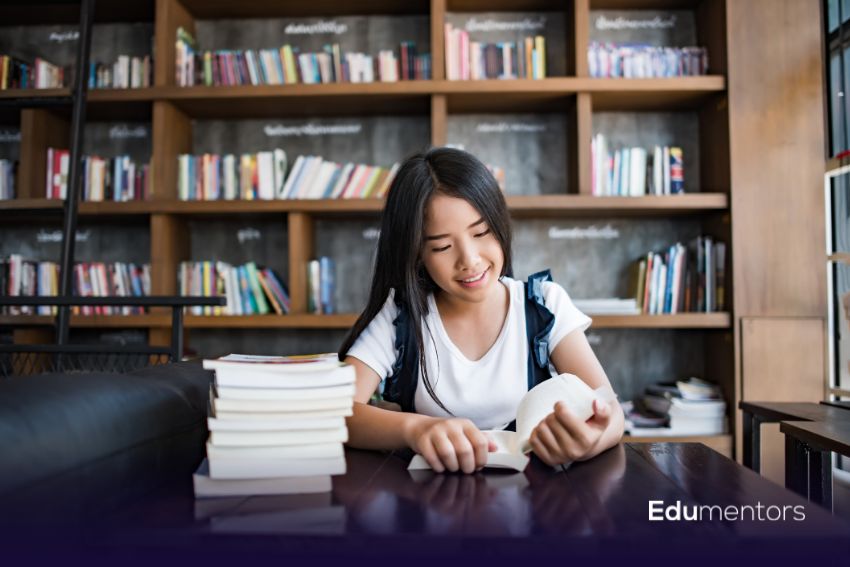
GCSE Chinese past papers are real exam papers from previous years. They help students see how Chinese GCSE questions are written. They also show how topics, vocabulary and grammar appear in the exam.
A GCSE Chinese past paper may include listening, speaking, reading or writing tasks. Each paper tests a different skill. Together, they help students prepare for the full course.
Past papers are useful because they remove guesswork. A textbook can teach vocabulary. A class worksheet can build grammar. However, Chinese GCSE past papers show how both appear under exam conditions.
Students can also use them to spot patterns. Common themes often include family, school, hobbies, travel, technology, food, health and future plans. This helps students revise with more focus.
Why GCSE Chinese Past Papers Matter
GCSE Chinese can feel challenging because students need several skills at once. They need to understand spoken Chinese, read characters, write clearly and answer speaking prompts with confidence.
This is why GCSE Chinese past papers are so helpful. They bring all these skills together. They also show students what they can already do and what still needs work.
For example, a student may know lots of vocabulary but struggle with listening. Another student may understand reading texts but lose marks in writing. Past papers make these gaps easier to see.
They also help with timing. Many students know the answer but run out of time. Regular paper practice helps students work faster without rushing too much.
Where to Find Edexcel Chinese GCSE Past Papers
Students taking Edexcel GCSE Chinese should start with official Pearson resources. Pearson’s GCSE Chinese course materials include exam materials and qualification resources for the Edexcel GCSE Chinese 2017 specification.
Many students search for Edexcel Chinese GCSE past papers, Edexcel GCSE Chinese past papers or Pearson GCSE Chinese past papers. These searches often lead to the same awarding body because Pearson delivers Edexcel qualifications.
Students may also search for Chinese Edexcel GCSE past papers, Chinese GCSE Edexcel past papers, GCSE Chinese Edexcel past papers or Pearson past paper. These are useful searches, but students should always check that the paper matches their exam board.
Edexcel GCSE Chinese includes different paper types and tiers. Students should check whether they need Foundation or Higher papers. They should also check whether they are preparing for Mandarin or Cantonese speaking and listening.
Older papers can still support revision. For example, searches such as Edexcel GCSE Chinese past papers 2020 may help students find extra practice. However, students should always compare older papers with current teacher guidance.
AQA GCSE Chinese Past Papers
AQA GCSE Chinese focuses on spoken Mandarin. The qualification is listed under specification 8673, with assessment resources available for students and teachers. These materials can help students practise the question styles used in AQA papers.
Students searching for AQA GCSE Chinese past papers, AQA Chinese Mandarin GCSE past papers or Chinese AQA GCSE past papers should use AQA assessment resources first.
AQA papers can support focused Mandarin practise. Listening papers help students hear detail. Reading papers build character recognition. Writing papers help students practise opinions, reasons and tenses.
However, students should not mix exam boards too early. AQA and Edexcel may cover similar themes, but their questions and mark schemes can differ. Students should use their own exam board first. After that, they can use other Chinese GCSE past papers for extra practice.
GCSE Mandarin and Cantonese Past Papers
Students should be careful when searching for gcse mandarin past papers or gcse cantonese past papers. Mandarin and Cantonese are different spoken forms of Chinese. This matters a lot for listening and speaking.
A Mandarin student should use Mandarin audio and speaking resources. A Cantonese student should use suitable Cantonese GCSE materials. Searches such as GCSE Chinese (Cantonese past papers), GCSE Cantonese past papers, GCSE Cantonese and Cantonese GCSE may help students find more specific resources.
The difference is especially important for spoken papers. A student using the wrong audio may feel confused, even if their revision is strong. This can damage confidence before the exam.
Students should also check whether the paper uses simplified or traditional characters.
How to Use GCSE Chinese Past Papers Properly
Students should not complete every paper at once. This can feel stressful. It also leaves less time to improve.
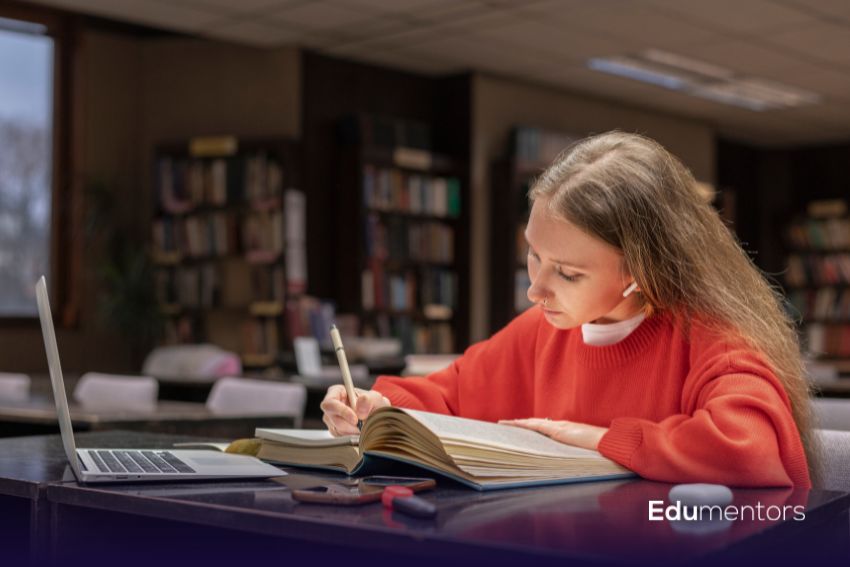
Instead, students should use GCSE Chinese past papers in small stages. First, they should revise key words by topic. Then, they can try short exam tasks. For example, they might complete one Reading section or one Writing question.
Next, students can try timed sections. This helps them build speed without facing a full paper too soon. Later, they can complete a full paper in exam conditions.
Marking matters too. Students should not only check their final score. They should look at each mistake and ask a simple question. Did they miss a detail? Did they use the wrong tense? Or did they misunderstand an opinion?
A mistake log can help. Students can write down common errors and review them each week. This makes GCSE Chinese revision more focused and useful.
Practising Listening, Speaking, Reading and Writing
Each GCSE Chinese paper needs a slightly different revision method.
For Listening, students should practise key words, numbers, opinions and time phrases. They should listen for the main idea first. After that, they can listen again for smaller details.
For Speaking, students can use Edexcel GCSE Chinese Speaking past papers and sample tasks. They should practise role plays, picture descriptions and general conversation. Long memorised answers can sound stiff. Short and flexible phrases often work better.
For Reading, students should focus on meaning. They do not need to translate every word. Instead, they should look for names, dates, opinions and familiar characters.
For Writing, students need clear sentences. They should prepare simple structures for opinions, reasons, past events and future plans. Accuracy matters here. A short answer with fewer mistakes can be stronger than a long answer with weak grammar.
When Past Papers Are Not Enough
Past papers are useful, but they do not teach everything. If a student keeps losing marks in the same area, they may need extra help.
Some students know the vocabulary but struggle with word order. Others read well but feel nervous in Speaking tasks. Some lose marks because the mark scheme feels unclear.
This is where a Chinese Tutor can help. A tutor can explain mistakes, practise weak skills and build a clear revision plan. Parents can also find a Chinese tutor for Mandarin, Cantonese or exam board support.
Other subjects can also build useful exam skills. Students may benefit from support in GCSE French, GCSE Japanese or GCSE Latin if they are studying more than one language. Skills like interpretation, evidence and clear argument can also connect with GCSE History, GCSE Social Studies and GCSE Politics.
Final Tips for GCSE Chinese Revision
Students should start past papers early enough to learn from mistakes. Leaving every paper until the final few weeks can cause pressure. It also gives students less time to improve.
A strong revision plan should include vocabulary, grammar, listening, speaking, reading and writing. Students should also revisit older mistakes often. This helps them avoid repeating the same errors.
Parents can support this routine without knowing Chinese. They can help students set a quiet practice time and encourage regular practice.
GCSE Chinese rewards steady progress. Students do not need perfect answers at the start. They need clear feedback, regular practice and enough confidence to keep trying. Students who enjoy the subject and want to continue after GCSE may also benefit from an A-Level Chinese tutor, especially as the next stage needs stronger vocabulary, writing and speaking skills.

Conclusion
GCSE Chinese past papers are one of the best ways to prepare for the real exam. They show students what to expect, how questions are worded and how to practise under realistic conditions. Edexcel GCSE Chinese past papers, Pearson past papers and AQA GCSE Chinese past papers can all help when students use the right resources for their course.
Past papers should not become a box-ticking task. They work best when students review mistakes, practise weak areas and repeat exam-style tasks over time. If your child needs more structure, feedback or exam technique support, working with a GCSE Chinese tutor can help make revision clearer and more focused.
You Might Be Interested In
GCSE Chinese: Everything Students Need to Know
Greek GCSE Past Papers for Better Revision
Portuguese GCSE Past Papers: How to Revise
FAQs
Where can I find GCSE Chinese past papers?
You can find GCSE Chinese past papers on official exam board websites, including Pearson Edexcel and AQA. Students should search by exam board, qualification and paper type. This helps them find the right materials.
Are Edexcel and AQA GCSE Chinese past papers the same?
No, they are not the same. Edexcel and AQA may cover similar themes, but their paper formats and mark schemes can differ. Students should start with their own exam board.
Can I use GCSE Cantonese past papers for Mandarin?
Students should be careful. Cantonese and Mandarin speaking and listening papers are different. Mandarin students should use Mandarin resources. Cantonese students should use Cantonese GCSE past papers.
How often should students practise Chinese GCSE past papers?
Students should practise regularly, but not all at once. A good plan starts with short tasks, then timed sections and full papers. Weekly practice works well for many students.

Chemical Changes GCSE Chemistry – A Complete Guide