
Children develop at different speeds, and that’s completely normal. However, some learning struggles feel more persistent and harder to explain. Many parents start to worry when reading or spelling does not improve over time, even with regular practise.
Dyslexia in children is more common than many people realise, yet it is often misunderstood. The early signs of dyslexia in kids can be subtle, especially in younger children and they don’t always appear all at once. Because of this, they are easy to miss at first.
This guide breaks down the signs by age, from early years to primary school and beyond. It also explains what to look out for and what practical steps you can take next, so you feel informed, supported and confident about how to help your child.
What Is Dyslexia?
Dyslexia is a learning difference that mainly affects reading, spelling and how children process language. It can make it harder to recognise words, match sounds to letters, or spell accurately. However, it does not affect intelligence. Many children with dyslexia are curious, creative and capable learners. You can also explore dyslexia guidance from the British Dyslexia Association.
Dyslexia looks different in every child. Some struggle with reading from an early age, while others cope at first and fall behind later. This is one reason dyslexia in children can be missed early. Children may find ways to hide their difficulties, or adults may assume they will catch up with time. Understanding how dyslexia works helps parents spot patterns sooner and respond with the right support.
Early Signs of Dyslexia in Children (Ages 3-5)
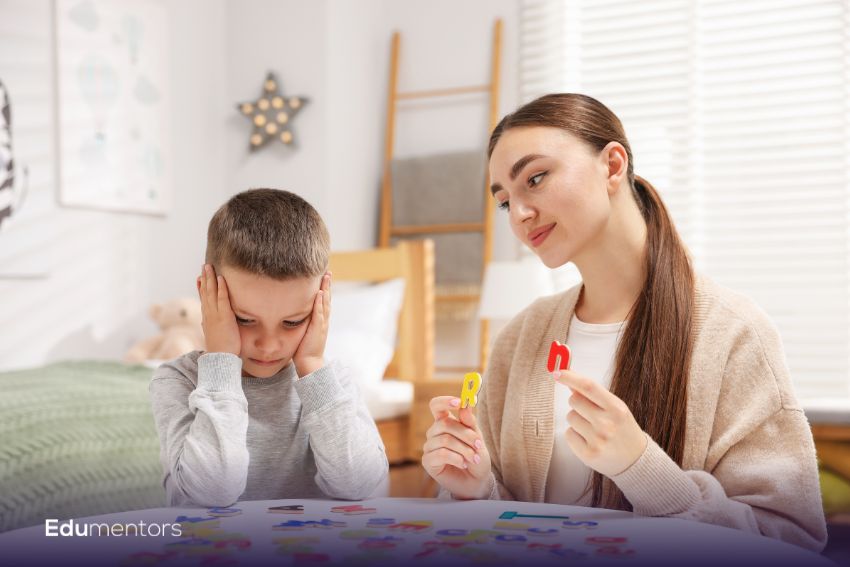
In the early years, signs of dyslexia often show up through speech and language rather than reading. Many young children develop at their own pace, so small delays can be normal. However, some patterns are worth noticing, especially if they continue over time.
Parents may notice late speech or slower language development. Some children find it hard to learn nursery rhymes or remember the words, even after lots of repetition. Others struggle to recognise letters or match letters to sounds. Mixing up similar sounds, such as b and d, is also common. Following multi-step instructions can feel difficult too.
Some parents begin to notice signs of dyslexia in a 5 year old when early reading activities feel frustrating or confusing. Letter sounds may not stick, or progress may feel slower than expected. On their own, these signs do not mean a child has dyslexia. What matters most is a pattern of difficulties over time, rather than one or two isolated behaviours.
Signs of Dyslexia in Primary School Children (Ages 5-9)
Primary school is often when reading expectations increase. Because of this, signs can become clearer during these years. Children spend more time reading, writing and spelling, both in class and at home.
Some children struggle to learn letter sounds, even after regular practise. Reading may feel slow or hesitant and they might pause often or lose their place. Instead of sounding words out, they may guess based on the first letter or the shape of the word.
Spelling can also be a challenge. Common words may be spelt each time differently, even after being taught many times. Some children find it hard to copy work from the board or organise their writing on the page. Others avoid reading aloud or say that reading feels hard or tiring.
These are some of the most common signs of dyslexia in kids at primary school age. When several of these difficulties appear together and continue over time, it may be worth looking more closely and seeking support.
Signs of Dyslexia in Older Children (Ages 9-12+)
Some children are not identified until later in primary school or even beyond. They may have developed ways to cope, which can hide difficulties for a while. As schoolwork becomes more demanding, these challenges often become more difficult to manage.
Parents may notice that their child reads below their age level or takes much longer to finish reading tasks. Reading speed can be very slow, even when the child understands the content. Spelling may remain poor despite lots of effort and practise. Writing longer answers can feel especially difficult, as organising thoughts on paper takes time and energy.
Remembering instructions can also be a challenge, particularly when multiple steps are involved. Over time, these difficulties can affect confidence. Some children begin to doubt their abilities or avoid schoolwork altogether. Spotting these signs can help parents understand what their child is facing and look for the right support.
Emotional and Behavioural Signs Linked to Dyslexia
Dyslexia does not only affect reading and writing. It can also affect how a child feels about school. In many cases, emotional or behavioural signs appear before academic ones, which is why parents often notice these changes first.
Some children become frustrated with schoolwork, especially tasks that involve reading or spelling. They may avoid homework or try to rush through it to get it over with. Over time, this can lead to low self-esteem, as children start to believe they are not good at learning.
Anxiety is also common. Reading aloud or spelling tests can cause worry, even if a child seems confident in other areas. Some children act out in class or at home, while others withdraw and become quiet. These behaviours are often signs of stress, not lack of effort and they deserve careful attention.
Does Having These Signs Mean My Child Has Dyslexia?
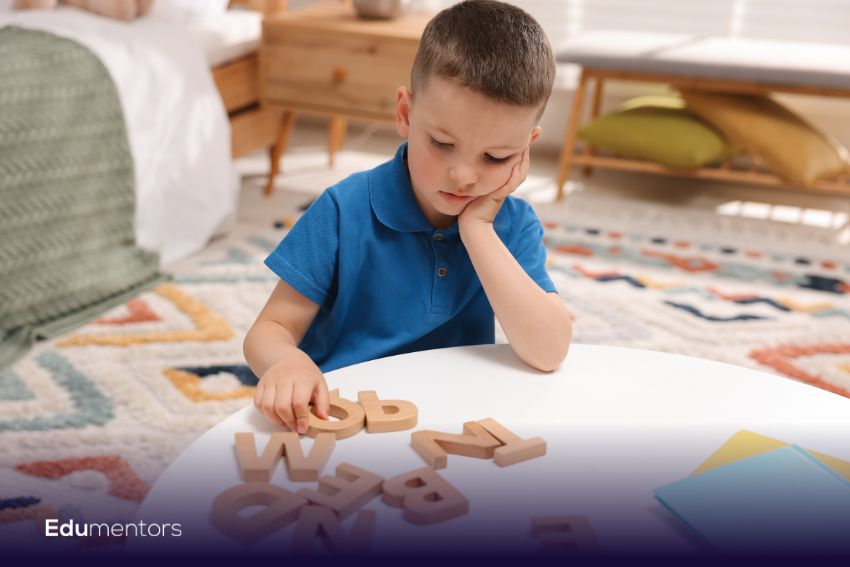
Seeing these signs can feel worrying, but they do not mean your child definitely has dyslexia. Individual signs on their own are not a diagnosis. Many children show one or two of these difficulties at different stages of development.
Dyslexia tends to appear as a pattern over time, rather than a single issue. This pattern often shows across reading, spelling and language tasks. Some bright children also find ways to mask their difficulties, especially in the early years, which can delay recognition.
The good news is that early support helps, whether or not a child has a formal diagnosis. Support reduces frustration and helps children develop strategies that make learning easier. The focus should always be on helping your child, not rushing to label them.
Early Signs of Dyslexia in Kids – When Should Parents Get Help?
It may be time to seek help if your concerns have been present for several months and do not improve with regular practise. When progress feels very slow, even with extra support at home, it’s worth taking a closer look.
Emotional signs also matter. If reading or spelling causes distress, anxiety, or avoidance, this should not be ignored. Learning should feel challenging at times, but not upsetting or overwhelming.
Another sign is when teachers raise similar concerns to the ones you notice at home. When school observations match your own, it often means the difficulties are consistent across settings. At that point, getting advice or extra support can help your child move forward.
What to Do If You Suspect Dyslexia
Start by sharing what you’ve noticed at home. This might include reading difficulties, spelling problems, or changes in confidence. Ask the teacher what they see in the classroom and whether similar patterns appear during lessons. Teachers can offer helpful insight and explain how your child is coping day to day.
Ask About School Support
Schools can often provide support before any formal diagnosis. This may include screening tools, SEN support, or extra help with reading and spelling. Early interventions can make a big difference and help children feel more supported while the next steps are considered.
Consider a Professional Assessment
If concerns continue, a professional assessment may help. Educational psychologists or specialist dyslexia assessors can give a clear understanding of your child’s strengths and difficulties. This can guide the right support both at school and at home.
Conclusion
Dyslexia does not define your child’s limits. It simply explains how they process language and learn best. Once you understand what’s going on, it becomes much easier to support them with patience and confidence.
Early support matters more than labels. Even small changes can help, especially when they reduce stress and build self-belief. If you’ve noticed a pattern in the signs, trust your instincts and speak to the school sooner rather than later.
If your child needs extra help outside the classroom, online tutoring can also be a useful option. One-to-one support can slow things down and break tasks into small steps. Most importantly, it helps your child feel understood and supported as they learn.
FAQs:
What is dyslexia?
Dyslexia is a learning difference that mainly affects reading, spelling, and writing skills. It is linked to how the brain processes language, not intelligence. Many children with dyslexia are bright and creative but need different strategies to learn effectively.
What are the early signs of dyslexia?
Early signs of dyslexia in children often appear in the early school years. Common signs include difficulty recognising letters and sounds, slow reading progress, poor spelling, mixing up similar letters, and trouble following written instructions. Some children may also avoid reading aloud or feel frustrated with schoolwork.
What age can you tell if a child is dyslexic?
Signs of dyslexia in kids can appear as early as ages 4 to 6, when they begin learning to read and write. A formal diagnosis usually happens later, often between ages 7 and 9, once reading patterns are clearer. Early identification is important, as support can make a big difference to confidence and progress.
Is dyslexia a disability?
In the UK, dyslexia is recognised as a specific learning difficulty. While it does not affect intelligence, it can meet the definition of a disability under the Equality Act 2010 if it has a long-term impact on learning. This means children may be entitled to support and reasonable adjustments at school.
Is dyslexia genetic?
Yes, dyslexia often runs in families. Children are more likely to be dyslexic if a parent or close relative has dyslexia or reading difficulties. However, genetics is only one factor, and experiences at home and school also play a role.
Media Studies GCSE – Everything You Need To Know