
- Understanding the 11 Plus Exam Structure
- How Are 11 Plus Scores Calculated?
- What Is the Highest 11 Plus Score for Grammar School?
- Standardised Age Scores (SAS)
- How the 11 Plus Scoring System Works
- The Impact of Age on 11 Plus Scores
- Preparing Your Child to Achieve a Top 11+ Score
- What Happens If Your Child Scores Lower Than Expected?
- Conclusion
What is the highest 11 Plus score? There is no single UK-wide maximum because different areas use different tests and scoring systems. Some 11 Plus scoring systems set the maximum standardised score for a single paper or section at around 141. However, combining several section scores can produce a much higher total. For example, the Kent Test combines three scores of up to 141, giving a maximum total of 423. The score needed for grammar school entry is different from the maximum and varies by school and area. Our guide to the 11 Plus exam explains the subjects, formats and regional differences.
Understanding the 11 Plus Exam Structure
The 11 Plus exam typically assesses four key areas: English, mathematics, verbal reasoning and non-verbal reasoning, though the exact combination varies by region. Most tests use multiple-choice questions and pupils mark their answers on sheets that computers scan. English sections evaluate comprehension, grammar and vocabulary, while mathematics covers the primary curriculum with more challenging applications.
Children who need focused support in these areas can work with an 11 Plus English tutor to improve comprehension, vocabulary and grammar or an 11 Plus Maths tutor to strengthen problem-solving, accuracy and timing.
Verbal reasoning tests assess language-based problem-solving abilities through word relationships, code deciphering and logical deductions. Non-verbal reasoning examines pattern recognition and spatial awareness using diagrams and pictures.
Pupils who find reasoning questions difficult may benefit from a Verbal Reasoning tutor or an 11 Plus Non-Verbal Reasoning tutor, who can teach common question types and more efficient methods.
Each region follows slightly different formats, so it’s essential to research the specific structure used by your local authority or target schools.
How Are 11 Plus Scores Calculated?
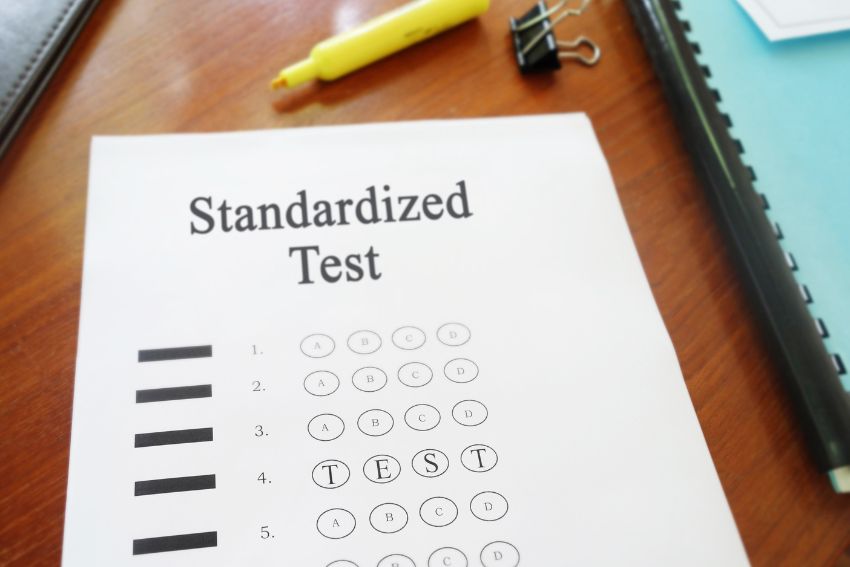
An 11 Plus score usually starts with the raw number of correct answers. The test provider may then convert that mark into a standardised score. This process can consider the child’s exact age and how the wider test group performed, helping schools compare results more fairly.
Because conversion methods vary between areas and test providers, there is no universal 11 Plus score calculator. An online calculator may provide a rough estimate, but it cannot reliably predict the official standardised score or whether a child will receive a grammar school place.
What Is the Highest 11 Plus Score for Grammar School?
So, what is the highest 11 Plus score for grammar school? There is no national maximum. On some standardised scales, the highest score for one paper or section is around 141 or 142. However, areas that combine several section scores can report much higher totals. Kent, for example, has a maximum combined score of 423.
A maximum score is not the same as a pass mark. The pass or qualifying score is the minimum result needed for a child to be considered academically suitable. Some schools then rank qualified pupils, while others apply catchment, distance and additional oversubscription rules.
Therefore, even the highest 11+ score does not automatically guarantee a grammar school place. Parents should check the current scoring and admissions policies for each target school rather than relying on one national figure.
What is the Purpose of Standardisation?
The purpose of standardisation in the 11 Plus exam is to ensure fairness for all students. It creates a level playing field by adjusting scores based on age. Older children, born earlier in the academic year, often have an advantage in areas like cognitive development, vocabulary and problem-solving.
This system balances those differences, so younger students aren’t at a disadvantage when compared to their older peers. To address this, standardisation adjusts the raw scores by considering the child’s exact age at the time of the exam.
By factoring in age, the system ensures that children of all ages can be fairly compared. Without standardisation, older children would have an inherent advantage, potentially skewing results. This process removes the bias, giving younger children an equal chance to perform well and makes the scores more reflective of their true abilities.
Standardisation also adjusts for variations in test difficulty across different years, further ensuring consistency and fairness in the scoring process.
Standardised Age Scores (SAS)
The Standardised Age Score (SAS) is a key component in the 11 Plus exam scoring process. It ensures that the scores are adjusted based on a child’s age at the time of the exam. Since there can be almost a year’s difference between the oldest and youngest students taking the test, the SAS compensates for the developmental advantages that older students may have. This adjustment ensures that younger students aren’t at a disadvantage simply because of their age.
How the 11 Plus Scoring System Works
Many multiple-choice 11 Plus papers are marked by scanning answer sheets and counting correct answers. The raw marks may then be converted into standardised scores using the method selected by the test provider or local authority.
Some areas combine English, Maths, verbal reasoning and non-verbal reasoning scores. Others use different subject weightings or minimum section requirements. As a result, the 11 Plus scoring system is not identical across the UK. Parents should always check the official guidance for their child’s target schools.
The Impact of Age on 11 Plus Scores
Age plays a significant role in the 11 Plus scoring system, primarily due to the process of age standardisation. In every school year, there can be almost a full year’s age difference between the oldest and youngest children taking the exam. Since children’s cognitive abilities, vocabulary and reasoning skills develop rapidly during this period, older students tend to have an advantage.
To ensure fairness, the Standardised Age Score (SAS) adjusts the raw scores to account for these developmental differences. Younger students may receive a slight boost in their scores to balance out the advantages that older students typically have. For instance, if two students achieve the same raw score, the younger child is likely to receive a slightly higher SAS than their older peer.

This adjustment is crucial because age differences can greatly affect skills like verbal reasoning and vocabulary. Younger students often haven’t had as much exposure to complex language as their older counterparts.
As a result, their cognitive abilities may not be as developed. The standardisation process ensures fair assessment by adjusting scores so younger students aren’t disadvantaged compared to older ones.
However, it’s important to clarify that age standardisation doesn’t penalise older children by reducing their scores; it simply ensures that younger students are not at a disadvantage. This creates a more accurate reflection of each child’s ability relative to their age group.
Standardising scores based on age allows schools to assess all students fairly, regardless of their birth date within the academic year.
Preparing Your Child to Achieve a Top 11+ Score
Effective preparation for achieving top 11 Plus scores requires a balanced, strategic approach. Start with a diagnostic assessment to identify strengths and weaknesses across all test components. Create a structured study plan beginning months before the exam, with regular practice sessions of 20-30 minutes for younger children, gradually increasing as the test approaches. Focus on building fundamental skills first before introducing practice tests. Incorporate timed practice to develop exam techniques and time management. Use high-quality resources that match your region’s specific exam format.
Beyond academic preparation, ensure your child gets adequate sleep, regular physical activity and proper nutrition. Manage exam anxiety by teaching relaxation techniques and maintaining a positive attitude about the process. Remember that over preparation can be counterproductive, balance work with play and maintain a supportive environment that doesn’t place excessive pressure on your child. Regular mock tests in exam-like conditions will build confidence and familiarity with the test format.
What Happens If Your Child Scores Lower Than Expected?
If your child receives a lower 11 Plus score than anticipated, remember that this isn’t a reflection of their overall intelligence or future potential. First, carefully review their results to understand which areas affected their performance. Many areas offer an appeals process if you believe there were extenuating circumstances or administrative errors, though success rates vary significantly.
If your child narrowly missed the qualifying score, some schools offer waiting list places that may become available later. Consider alternative educational paths, including high-performing non-selective schools that might better suit your child’s learning style. Some parents opt for retaking the exam the following year after additional preparation, though this means delaying school entry. Most importantly, support your child emotionally during this time by emphasising their strengths and achievements in other areas. Remember that many successful individuals didn’t attend grammar schools and there are multiple pathways to academic and career success.
Conclusion
So, what is the highest 11 Plus score? The answer depends on the test provider, local area and way that individual scores are combined. Some standardised section scores reach around 141, while combined totals can be much higher. Parents should also separate the maximum possible score from the qualifying score and the score that may be needed to receive an offer.
Although grammar schools can provide excellent opportunities, they are not the only route to academic success. The most important goal is finding a school where your child can feel confident, motivated and supported.
For personalised exam preparation, our experienced 11 Plus tutors can identify weaker areas, develop exam technique and create a study plan around the correct test format.
FAQs:
What Is the Highest 11 Plus Score?
There is no single highest 11 Plus score because different areas use different tests and scoring systems. On some standardised scales, an individual paper may have a maximum score of around 141. However, areas that combine several section scores can have much higher totals. Parents should always check the official scoring guidance for their chosen schools.
What Is a Good Score for the 11 Plus?
A good 11 Plus score is one that meets the qualifying requirements for your child’s target school or area. There is no universal good score because pass marks, section requirements and admissions rules differ. Some schools use a fixed qualifying score, while others rank children by performance when allocating places.
What Is the Pass Mark for the 11 Plus?
The 11 Plus pass mark varies between areas, grammar schools and test providers. A child may need to reach a minimum total score, achieve a certain result in every section or rank highly enough among other applicants. Check the latest admissions policy because previous years’ pass marks do not guarantee the same outcome.
How Is an 11 Plus Score Calculated?
The test provider first records the child’s raw score, which is usually the number of correct answers. This may then be converted into a standardised score. The process can consider the child’s age, the difficulty of the test and the performance of other pupils. Some areas also weight or combine different sections.
Does a High 11 Plus Score Guarantee a Grammar School Place?
No. A high score may help a child qualify, but it does not always guarantee a place. Grammar schools can also consider catchment area, distance, Pupil Premium eligibility, sibling priority and other oversubscription rules. Parents should check both the academic requirements and the admissions criteria for each target school.