
To become a primary school teacher, you usually need a degree, teacher training and Qualified Teacher Status (QTS). Primary school teachers work with children aged 4 to 11, helping them build strong foundations in subjects such as English, Maths and Science.
It is a popular career for people who enjoy working with younger children and want to make a real difference during the early years of education. The role involves teaching lessons, supporting pupil development, managing a classroom, and helping children grow in confidence.
In this guide, we’ll explain how to become a primary school teacher, what qualifications you need, the main training routes, and how much primary school teachers earn.
- How To Become A Primary School Teacher?
- What Qualifications Do You Need To Become A Primary School Teacher?
- What Is Qualified Teacher Status?
- How Long Does It Take To Become A Primary School Teacher?
- What Teacher Training Routes Are Available?
- How Much Do Primary School Teachers Earn?
- Can You Become A Primary School Teacher Without A Degree?
- What Are The Best Resources For Aspiring Primary School Teachers?
- Gain Experience By Becoming a Tutor
How To Become A Primary School Teacher?
Most people become primary school teachers by completing a degree and gaining Qualified Teacher Status (QTS).
First, you need the right GCSEs, usually including English, Maths and Science. These subjects matter because primary teachers support children across the core curriculum.
Next, you need to earn a degree. Some students choose an undergraduate teaching degree that includes QTS, while others complete a different degree first and then move into teacher training.
After that, you complete teacher training through a route such as a PGCE, school-based training programme, or teacher degree apprenticeship. During training, you learn how to plan lessons, manage classrooms, assess pupils, and support children’s progress.
Once you successfully complete training, you gain Qualified Teacher Status (QTS). This allows you to apply for teaching jobs in most state primary schools in England. Finally, you can apply for primary school teaching roles and begin building experience in the classroom.
What Qualifications Do You Need To Become A Primary School Teacher?
Most teacher training providers require specific academic qualifications.
For most training routes, candidates need GCSE English, Maths and Science at grade 4/C or above, or an accepted equivalent qualification. Providers set these requirements because primary teachers work across a broad curriculum and need strong literacy and numeracy skills.
Candidates also need a degree, although the subject does not always have to be education-related. Many aspiring teachers complete a Primary Education degree, while others study a different subject before moving into teacher training.
If you do not have the required GCSEs, some providers may accept equivalent qualifications. However, entry requirements vary, so it is always worth checking the criteria for individual training programmes.
What Is Qualified Teacher Status?
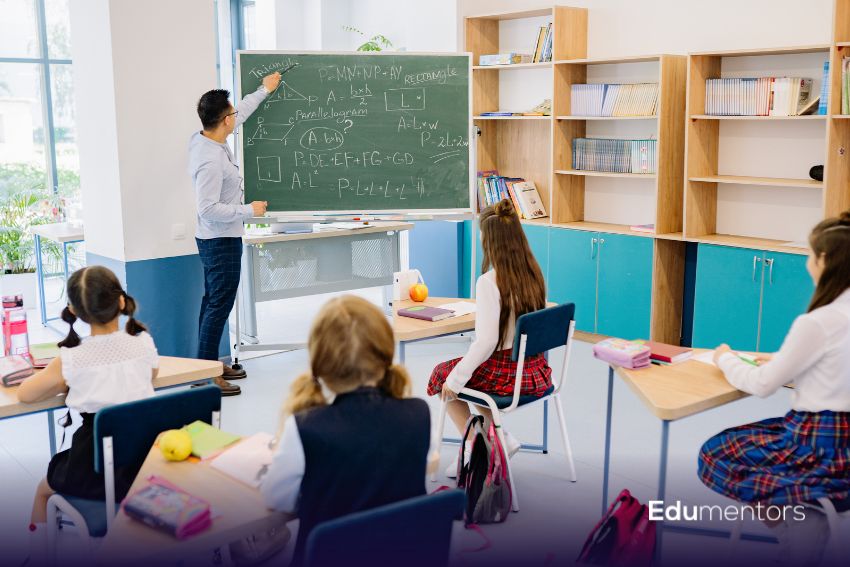
Qualified Teacher Status is the professional qualification required to teach in most state schools in England.
QTS shows that a teacher has met the professional standards needed to work in the classroom. It is an important part of becoming a primary school teacher because most state schools require it when hiring new staff.
Teachers usually gain QTS by completing an approved teacher training programme, such as a degree with QTS, a PGCE, or a school-based training route. During training, candidates develop practical teaching skills and gain classroom experience.
Once you achieve QTS, you can apply for teaching roles in most state primary schools and begin your teaching career.
How Long Does It Take To Become A Primary School Teacher?
The time required depends on the training route you choose.
If you choose an undergraduate route, such as a Primary Education degree with QTS, it usually takes around three to four years. This route is common for students who know early that they want to become teachers.
If you already have a degree, the PGCE route is usually faster. A full-time PGCE with QTS typically takes one year, although part-time options may take longer.
The teacher degree apprenticeship route can take longer because it combines paid work, study and classroom training. Timelines vary by provider and employer, but this route allows trainees to earn while working towards a teaching qualification.
What Teacher Training Routes Are Available?
There is more than one route into primary teaching.
University Degree With QTS
Some universities offer Primary Education degrees that include Qualified Teacher Status (QTS). This route combines academic study with classroom placements and is a popular option for school leavers.
PGCE Route
A Postgraduate Certificate in Education (PGCE) is designed for graduates who already hold a degree. It usually takes one year to complete and includes teacher training alongside school placements.
School-Centred Initial Teacher Training (SCITT)
SCITT programmes allow trainees to learn mainly within schools rather than at university. This route provides extensive classroom experience while working towards QTS.
Teacher Degree Apprenticeships
Teacher degree apprenticeships combine paid work with teacher training. Apprentices gain practical experience in schools while studying towards the qualifications needed to teach.
Assessment Only Route
The Assessment Only Route is designed for experienced, unqualified teachers who can already demonstrate the required teaching standards. Rather than completing a full training programme, candidates undergo an assessment to gain QTS.
How Much Do Primary School Teachers Earn?
Primary school teacher salaries vary depending on experience, location and responsibilities.
| Career Stage | Typical Salary |
| Newly Qualified Teacher | £31,000-£38,000 |
| Experienced Teacher | £39,000-£50,000+ |
| Leadership Roles | £50,000-£80,000+ |
As teachers gain experience, they can move up the pay scale and take on additional responsibilities. This means salaries often increase throughout a teaching career.
Teachers working in London may receive higher pay through London weighting, which helps reflect the higher cost of living in the capital.
There are also opportunities to progress into leadership roles, such as phase leader, assistant headteacher, deputy headteacher or headteacher. These positions typically come with greater responsibilities and higher salaries.
Can You Become A Primary School Teacher Without A Degree?
In most cases, becoming a qualified primary school teacher requires a degree.
Most teacher training routes, including PGCE programmes and school-based training, require candidates to hold a degree before they can gain Qualified Teacher Status (QTS).
However, some teacher degree apprenticeships provide an alternative pathway. These programmes allow trainees to work and earn while studying towards a degree and teacher qualification at the same time.
If you do not currently have a degree, you may still be able to become a primary school teacher, but you will usually need to obtain one through a university course or an approved apprenticeship route before qualifying to teach in most state schools in England.
What Are The Best Resources For Aspiring Primary School Teachers?
Several trusted resources can help you explore training routes, entry requirements, and career opportunities in teaching.
- GOV.UK Get Into Teaching – provides guidance on teacher training routes, funding, and eligibility requirements.
- Department for Education (DfE) – offers official information about teaching careers and education policy.
- UCAS Teacher Training – helps prospective teachers find and apply for training programmes across the UK.
- Teacher Training Providers – universities and school-based providers can explain course options, entry requirements, and application processes.
- School Experience Programmes – allow aspiring teachers to spend time in schools and gain valuable insight into the profession.
Using these resources can help you understand the different pathways into teaching and make informed decisions about your future career.
Gain Experience By Becoming a Tutor
Many future teachers start by becoming tutors. Tutoring allows students and graduates to gain valuable teaching experience, work with young learners and develop classroom skills before entering teacher training.
Working as a tutor can help you strengthen important skills such as communication, lesson planning, adaptability and explaining complex ideas in a simple way. It also provides an opportunity to build confidence while supporting pupils with their academic progress.
For aspiring primary school teachers, tutoring younger pupils can offer valuable insight into how children learn and develop. This experience can strengthen future teacher training applications and help prepare you for a career in the classroom.
You Might Be Interested In
Primary School – Your Guide to 8 Great Options
FAQs
How much do primary school teachers earn?
Primary school teacher salaries vary depending on experience, location, and responsibilities. Newly qualified teachers typically earn between £31,000 and £38,000, while experienced teachers can earn £39,000 to £50,000+. Teachers who progress into leadership roles may earn £50,000 to £80,000+, particularly in larger schools or senior positions.
How to become a primary school teacher?
Most people become primary school teachers by completing a degree, undertaking teacher training, and gaining Qualified Teacher Status (QTS). After meeting the required qualifications and training standards, candidates can apply for teaching roles in primary schools.
What qualifications do I need to become a primary school teacher?
Most teacher training providers require GCSE English, Maths and Science at grade 4/C or above, or equivalent qualifications. Candidates also typically need a degree before starting teacher training, although the subject of the degree can vary depending on the training route.
Do primary school teachers need a degree?
In most cases, yes. Most routes into primary teaching require a degree before candidates can gain Qualified Teacher Status (QTS). However, some teacher degree apprenticeships allow trainees to work towards a degree and teaching qualification at the same time.
Primary School – Your Guide to 8 Great Options