

Education continues to evolve. New technology and research reshape how students learn. In the past, classrooms followed one method. This treated all students the same. However, learners process information differently. They progress at different speeds.
Because of this, many educators explore adaptive learning approaches. These adjust lessons according to student progress. An adaptive approach to learning does not follow one fixed path. It allows students to receive support for their individual needs.
Parents and students often ask an important question: How does an adaptive learning approach benefit students? The answer lies in the ability to personalise learning experiences. Adaptive learning uses technology and teaching and learning approaches to adjust instruction. It tracks strengths, challenges and the pace of progress. As a result, students receive support that matches their learning style and goals.
Understanding what is adaptive learning helps families recognise its value. This has become one of the most effective approaches to learning in modern education.

What Is Adaptive Learning?
Adaptive learning is an educational approach. It adjusts instruction based on student progress. In the past, every learner received the same lesson. Now, adaptive learning systems respond to individual performance.
In traditional classrooms, teachers must balance many students. They try to support different learning styles. However, the classroom environment limits how much personalisation is possible.
Adaptive learning changes this dynamic. Lessons adapt to the learner’s level. Students move forward when they understand a topic. They review material when they need more help.
Many adaptive learning platforms use educational technology to analyse student performance. These systems track how learners respond to questions. They identify gaps in understanding. Then, they adjust future lessons. Because of this, adaptive learning in education creates a personalised learning experience. This supports continuous progress.
Understanding Learning Styles and Learning Approaches
Each person learns in a different way. Teachers often talk about three main styles.
First, visual learners like to see maps and pictures. Second, auditory learners find it easy to learn by listening. Third, kinaesthetic learners do best when they can move and touch things.
Most experts now agree that students benefit from a mix of these methods. Adaptive learning helps with this. Instead of one way for all, these smart systems change to fit each student. This makes learning more fun. It also helps students understand new ideas more clearly.
How Adaptive Learning Works in Education
Adaptive learning uses a mix of smart tools and teaching methods. Many models use digital systems to track how students perform in real time. One helpful tool is the online whiteboard. Tutors can write out ideas step by step and show their thinking process clearly. Students can follow each stage of the explanation and ask questions as the tutor works through the problem. This makes lessons easier to understand and allows students to see how solutions are built in real time.
When a student gets answers right, the system gives them harder work. If they find a topic tough, the system goes back to basics or gives extra help. This keeps lessons fresh and moving at the right speed.
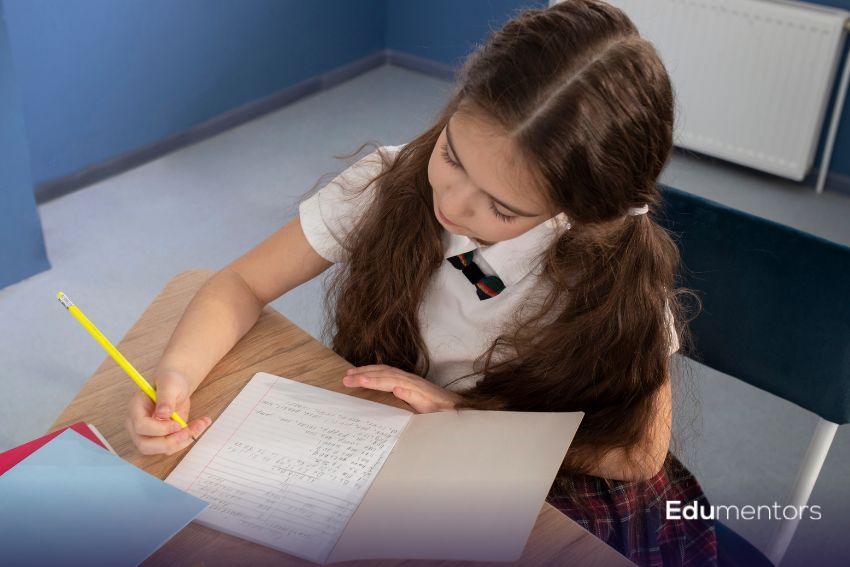
These tools also help teachers and tutors. They do not take the place of humans. Instead, they show teachers how each student is moving forward.
Because of this, teachers can mix smart tools with normal class time. They might use a “blended” or “hybrid” way of teaching. As a result, students get the best of both worlds: human care and smart technology.
Benefits of Adaptive Learning for Students
Adaptive learning offers several advantages. These benefits support academic success. This approach helps students learn at their own speed. It also builds confidence.
Students do not feel rushed. They do not get bored. Instead, the lessons match their current skills. This makes study time more effective. It helps every learner reach their full potential.
Benefits of Adaptive Learning for Students
One of the most important benefits of adaptive learning involves personalised pacing. Students often struggle when lessons move too quickly. They also become bored when material repeats concepts they already understand.
Adaptive learning adjusts lessons according to individual progress. Students receive additional practise when they need reinforcement. They move forward when they master a topic. Research from the Education Endowment Foundation shows that personalised learning approaches can improve student outcomes when used effectively.
This balanced pace improves comprehension. It helps students stay engaged with the learning process.
Immediate Feedback
Another advantage is getting help right away. These smart systems look at every answer fast. They explain why a mistake happened as soon as it occurs.
This quick help lets students fix errors. They do this before small slips become big gaps in their knowledge. Over time, this steady flow of tips builds a strong mind. It helps students keep what they learn for a long time.
Improved Student Confidence
Students gain confidence when lessons match their skills. When tasks feel easy to reach, students stay keen to learn. They want to keep on with their work.
These smart systems help students move forward. They see when a student gets better. They then change the work at a steady pace. Because of this, learners feel much more sure of themselves.
Stronger Academic Performance
Research shows that personal learning helps students do better. When lessons focus on what a student needs, they spend more time on their weak spots. They do not waste time on things they already know.
This helps students build strong knowledge in every subject. Because they learn this way, they get better grades on their tests.
Adaptive Learning Platforms and Technology
Adaptive learning platforms play a huge role in modern education. These digital systems look at student answers to change lessons.
Many tools use smart math to track how students learn. When a student shows they know a topic the system gives them harder work. If they find it tough the platform offers extra help or more practise. This process lets these tools create a personal path for every learner.
Adaptive technology also gives great info to teachers. They can see how well students do and find where they struggle. They then change how they teach to help even more.
Because of these tools, adaptive learning has become a vital part of school life today, according to research from the OECD.
Adaptive Learning Compared With Other Learning Approaches
Modern education includes many ways to learn. Traditional classes remain important because teachers can guide students directly.
Blended learning is another method that combines digital tools with face-to-face teaching. It allows students to access more materials while still getting help from a teacher.
Adaptive learning builds on these models by making lessons even more personal. Instead of giving everyone the same work, these systems change based on how a student performs. When you look at different ways to teach, adaptive learning offers the best personal experience.
Adaptive Learning for Personalised Education
Personalised education is a major focus in modern learning. Adaptive learning technology supports this goal by creating unique paths for every student.
Many platforms now work across all school levels to help students follow their own goals. For example, UK systems help learners build knowledge and get ready for exams. These tools also use smart data to offer tailored study tasks. Therefore, teachers can design better lessons that match what each student needs.
Choosing the Best Adaptive Learning Platform
Families often ask how to choose the best adaptive learning platform.
First, look for high-quality content that combines smart tools with clear materials. Next, check how the system tracks progress by using data to show how a student learns.
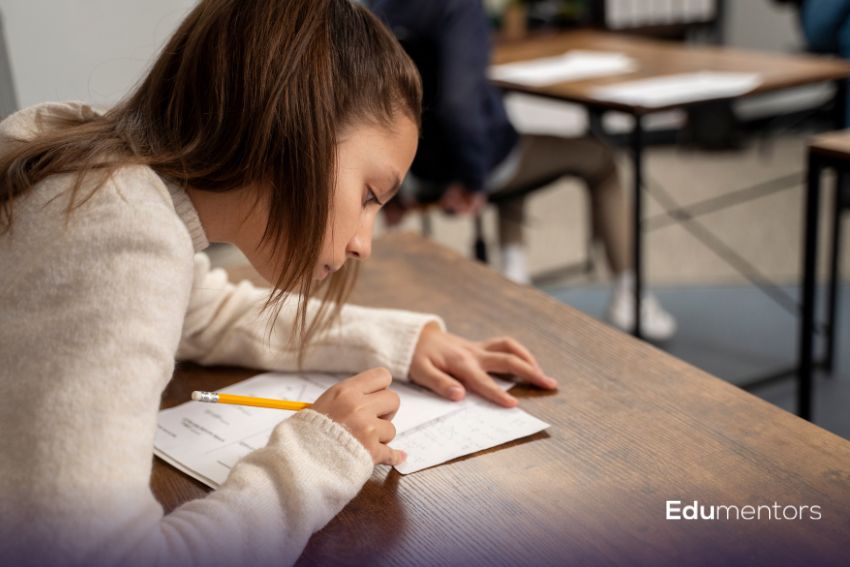
The best platforms also offer deep personalisation because they adjust to every answer a student gives. Finally, consider the role of tutors. Many top services combine tech with human help to create a balanced experience. When these elements work together, students make great progress.
Conclusion
Adaptive learning is a great way to learn. It changes to fit each student. This allows students to learn at their own speed. This special approach helps students stay interested. It makes learning easier to understand. It also helps students grow in the long term. Students get help right away. They receive personalised study paths. Their lessons change as they improve.
Adaptive learning technology helps teachers and students. They can work together more effectively. However, many students benefit even more when adaptive learning tools are combined with the guidance of an experienced online tutor who can explain concepts clearly and provide individual academic support.
The right learning environment makes a big difference. This is especially true for students who need extra support. When adaptive learning technology works alongside structured online tutoring, students gain clearer explanations, targeted practise and consistent guidance.
You Might Be Interested In
Which Online Tutoring Platforms Offer Personalised Learning Plans?
What Are the Advantages of One-on-One Academic Support?
What Are the Best GCSE Tutoring Platforms for Exam Preparation?
Where Can I Find Affordable Online Tutors for A Level Subjects?
FAQs
What is adaptive learning?
Adaptive learning is a new way to learn. It changes lessons to fit each student. The system looks at how a student performs. It finds what they know well. It also finds where they need help. Furthermore, this lets the lessons change for each person. It moves away from the old way where everyone gets the same work. Instead, it creates a personal experience for every learner.
What are the benefits of adaptive learning?
Adaptive learning helps students understand more. It keeps them interested. It also leads to better grades. Students get a personal way to learn. They get help right away. Their lessons change to fit how fast they learn.
What is an adaptive learning platform?
An adaptive learning platform is a smart digital system. It looks at how a student performs. Then, it changes the lessons to fit. Consequently, these platforms create a personal way to learn. They base every lesson on how a student moves forward.
How does adaptive learning benefit students?
Adaptive learning helps students. It gives them a personal way to learn by providing the right help at the right time. This approach helps students grow their knowledge while helping them feel more sure of themselves.