

Learning can feel hard for many children. Some give up quickly when something gets challenging. Others keep going, even when they struggle. That difference often comes down to mindset.
A growth mindset for kids helps children see challenges in a new way. Instead of thinking they are “not good at something,” they start to believe they can improve with practise and effort. This small shift can change how they learn, respond to mistakes and build confidence over time.
In this guide, you’ll find a simple explanation of what a growth mindset really means. We’ll also look at real examples and practical tips you can use every day. Whether your child struggles with school or just needs a confidence boost, these ideas will help you support their progress clearly and realistically.
What Is a Growth Mindset for Kids?
Your child’s mindset shapes how they respond to challenges, mistakes and learning. A growth mindset means your child believes they can improve their abilities with effort and practise. It helps them see learning as a process, not something they either “have” or “don’t have.” This idea was introduced by Carol Dweck, who showed that children learn better when they believe their abilities can develop over time.
A simple way to think about it is this: a child’s brain works like a muscle. The more they use it, the stronger it gets. When they practise, make mistakes and try again, they are actually helping their brain grow. Over time, things that once felt difficult start to feel easier.
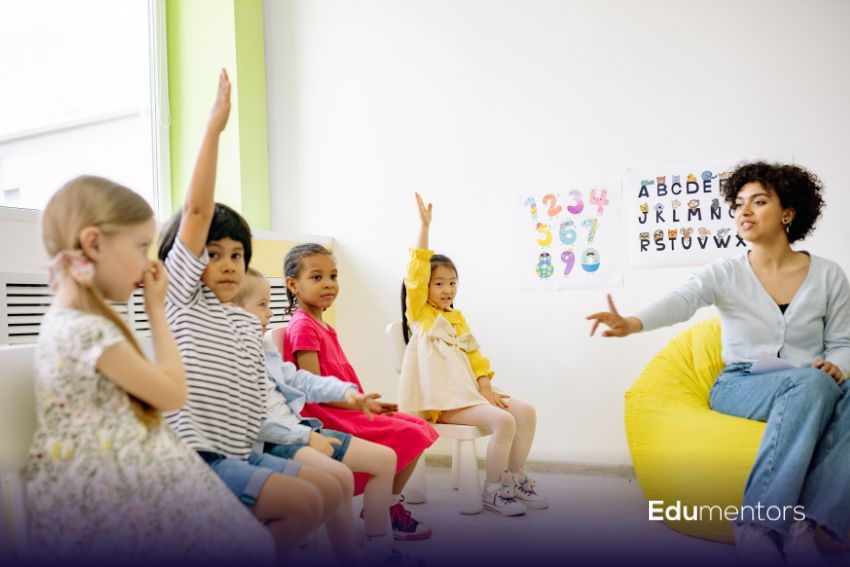
Research from the Harvard Center on the Developing Child shows that children’s brains develop through repeated practise and experience.
A fixed mindset is the opposite. This is when your kid believes their abilities cannot change. They might say things like “I’m just bad at maths” or “I can’t do this.” Because of that, they may avoid challenges or give up quickly. A growth mindset helps your child move past this thinking and build confidence through effort.
Growth Mindset vs Fixed Mindset
The way your child thinks can shape how they act when learning gets tough. A small shift in language can make a big difference. For example, “I can’t do this” can quickly turn into giving up. But “I can’t do this yet” keeps the door open to improvement.
Here’s how the two mindsets often show up in everyday behaviour:
Growth Mindset
- “I can’t do this yet, but I’ll keep trying”
- Sees mistakes as part of learning
- Tries again after struggling
- Feels proud of effort, not just results
- More willing to take on challenges
Fixed Mindset
- “I can’t do this”
- Avoids difficult tasks
- Gives up quickly after mistakes
- Focuses only on getting things right
- Worries about failing or looking wrong
Over time, these small differences in thinking can shape your child’s confidence, motivation and willingness to learn.
Why Is a Growth Mindset Important for Kids?
A growth mindset can change how your child approaches both school and everyday challenges. Instead of feeling stuck or discouraged, they begin to see progress as something they can control.
First, it helps build real confidence. Your child stops relying only on results and starts trusting their effort. This means they feel proud of trying, even before they succeed.
It also improves resilience. When something goes wrong, your child is more likely to try again rather than give up. Over time, this makes setbacks feel less overwhelming and more manageable.
A growth mindset also helps your child handle failure more healthily. Instead of seeing mistakes as proof they are “not good enough,” they start to see them as part of learning. This shift reduces frustration and builds a more positive attitude towards challenges.
As a result, your child becomes more willing to try new things. Whether it’s a new subject, hobby or skill, they feel less afraid of getting it wrong. This opens the door to more learning opportunities.
Finally, it supports academic progress. When your child keeps practising, asking questions and learning from mistakes, improvement becomes more consistent. Over time, this leads to better understanding and stronger results without added pressure.
Signs Your Child Has a Fixed Mindset
You might notice small behaviours that suggest your child feels stuck in their learning. These signs often appear during homework, revision, or when they face something new.
For example, your child may avoid challenges. They might stick to what feels easy and resist trying anything that looks difficult. This can limit their progress over time.
You may also see them give up quickly. As soon as something feels hard, they stop trying or ask for help straight away. This usually comes from a fear of getting it wrong. Many children with a fixed mindset are also afraid of mistakes. They may feel embarrassed or frustrated when they make an error, even if they are learning something new.
You might hear phrases like “I’m not good at this” or “I can’t do it.” These statements show that your child believes their ability is fixed, rather than something they can improve. Spotting these signs early can help you guide your child towards a more positive and confident way of learning.
How to Teach a Growth Mindset to Kids
Helping your child build a growth mindset comes down to small, consistent actions. What you say and how you respond can shape how they see learning.
1. Praise Effort Not Results
Focus on the process, not just the outcome. Instead of saying “You’re so smart,” try “You worked really hard on that.” This helps your child value effort and stay motivated.
2. Teach the Power of “YET”
Add one simple word when your child feels stuck. If they say, “I can’t do this,” gently respond with “You can’t do it yet.” This keeps their thinking open and forward-looking.
3. Normalise Mistakes
Let your child know that mistakes are part of learning. Talk about what went wrong and what they can try next. This reduces fear and builds confidence over time.
4. Encourage Challenges
Support your child in trying things that feel slightly difficult. This could be a harder question, a new topic, or a different activity. Growth happens when they step outside their comfort zone.
5. Model the Behaviour Yourself
Show your child how you handle challenges. If you make a mistake, talk through it calmly and show how you improve. Children often copy what they see more than what they hear.
Growth Mindset Activities for Kids
The best way to help your child build a growth mindset is through simple, everyday habits. These activities are easy to start and can quickly become part of your routine.
1. Reflection Journal
Encourage your child to write or talk about their day. Focus on what they found difficult, what they learned and what they would try differently next time. This helps them see progress, not just results.
2. Challenge of the Week
Set one small challenge each week. It could be a harder maths problem, reading a new book, or learning a new skill. The goal is not perfection, but effort and persistence.
3. Mistake-sharing Routine
Create a safe space where your child can talk about mistakes without feeling judged. You can even share your own mistakes too. This shows them that errors are normal and useful.
4. Goal Setting
Help your child set simple, realistic goals. For example, “I will practise spelling for 10 minutes each day.” Keep goals focused on effort, not just outcomes.
5. Learning Something New
Encourage your child to try something they have never done before. This could be a hobby, sport, or creative activity. New experiences help them become more comfortable with being a beginner.
These small activities can make a big difference over time. They help your child stay motivated, build confidence and develop a healthier approach to learning.
Growth Mindset Quotes for Kids
Simple phrases can shape how your child thinks, especially when they feel stuck or frustrated. The right words can help them stay calm, keep trying and believe they can improve.
You can use these growth mindset quotes for kids in everyday situations, such as during homework or after a mistake:
- “Mistakes help me learn”
- “I can improve with practise”
- “I can’t do this yet”
- “Trying matters more than being perfect”
- “Every time I try, I get better”
- “It’s okay to find things difficult”
- “I learn more when I keep going”
- “Challenges help my brain grow”
You don’t need to use all of them at once. Start with one or two that feel natural and repeat them regularly. Over time, your child will begin to use these phrases on their own.
Growth Mindset for Kids: Common Mistakes Parents Make
Even with the best intentions, some habits can hold your child back from developing a growth mindset. Small changes in how you respond can make a big difference.
Praising Intelligence Instead of Effort
It’s natural to say “You’re so clever,” but this can make your child feel they need to prove it every time. Instead, focus on effort and progress. For example, “You kept trying even when it was hard” helps them value persistence.
Overprotecting from Failure
Trying to prevent mistakes might feel supportive, but it can limit your child’s growth. When children don’t experience small setbacks, they don’t learn how to handle them. Allow them to struggle a little and guide them through it calmly.
Focusing Only on Results
If the focus stays on grades or outcomes, your child may start to fear getting things wrong. Shift attention to the process instead. Ask what they learned, what they found challenging and what they will try next.
Avoiding these common mistakes can help your child build confidence, resilience and a healthier approach to learning over time.
Conclusion
A growth mindset is not something your child learns in one day. It builds slowly through small, consistent habits and the way you support them each day.
With the right encouragement, your child can start to see challenges differently. Over time, this helps them build confidence, become more independent and develop a stronger love of learning.
If you feel your child needs extra support, the right guidance can make a real difference. Online tutoring can provide structured help, personalised feedback and encouragement that reinforces a growth mindset. With the right support in place, your child can make steady progress and feel more confident in their abilities.
You Might Be Interested In
Things To Do With Kids – Education With Fun Activities
10 Great Ways to Improve Your Child’s Writing Skills
Summer Learning Made Easy for Parents – Must-Try Activities
FAQs
What is a growth mindset for kids in simple terms?
A growth mindset means your child believes they can improve through effort and practise. Instead of thinking they are “not good” at something, they learn that skills develop over time with the right approach.
At what age should you start teaching a growth mindset?
You can start as early as preschool. Young children naturally learn through trial and error, so it’s a great time to encourage effort, curiosity and trying again after mistakes.
How can I tell if my child has a fixed mindset?
You may notice your child avoids challenges, gives up quickly or says things like “I can’t do this.” They may also feel frustrated when they make mistakes or focus only on getting things right.
What are simple ways to build a growth mindset at home?
Start by praising effort instead of results. Encourage your child to try again when something feels hard. Use positive language like “you’ll get there with practise” and create a safe space for mistakes.