
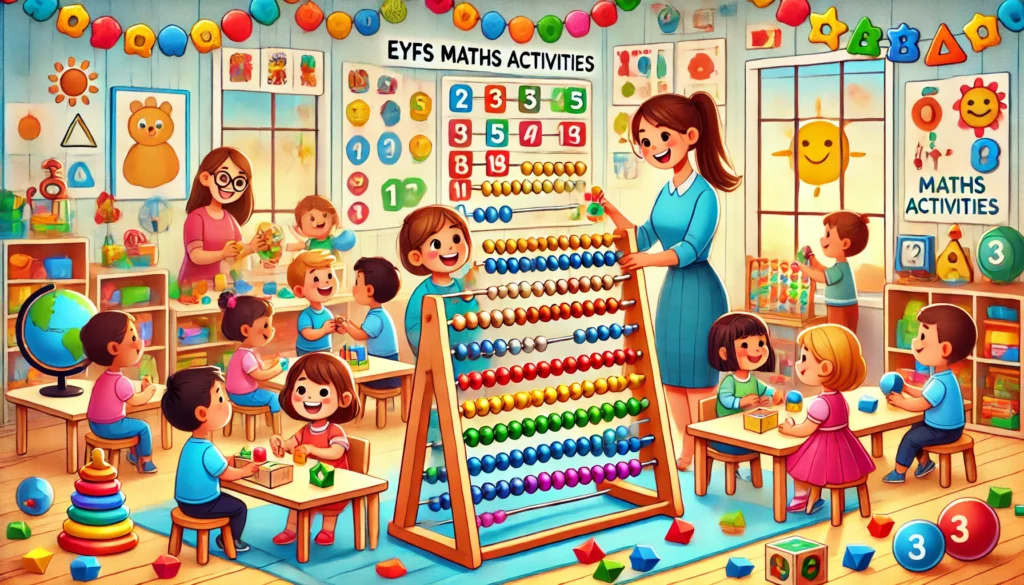
So, Maths in the amazing Early Years Foundation Stage (EYFS) is somewhat like the first step in a kids’ growth. And you know what? Teaching EYFS Maths Activities through play isn’t just fun stuff, it also lets the kids pick up on big ideas without breaking a sweat. In this small talk, we’re gonna look at some top-notch EYFS maths games rather your one-stop shop to making early maths fun times and getting the job done.
Why EYFS Maths Activities Matter?
Actually, kids aged 0 to 5 are in a pretty important chapter, as they have to be prepared for maths. Therefore, EYFS Maths Activities are crucial for young kids . And in this chapter, they are figuring out how the world spins, picking up basic skills like talking, playing nice with others and moving around. But you what is ideal? If we teach them math in a fun manner during these years, they could:
- Enhance language and creativity
- Improve intellectual and social abilities
- Make abstract concepts more tangible and less intimidating
- Increase retention and recall of mathematical information
Families looking for wider learning support can also work with experienced Early Years tutors who can help children develop confidence across foundational skills.
EYFS Maths Activities
1. Number-Loving Melodies
Want to try Number-Loving Melodies games? They’re a cool way to hang out with your kids and teach them numbers. Basically, it involves familiar tunes and a lot of repetition. And, all you need hand-held toys or puppet-looking pals, sound and musical stuff. Actually, it’s all about playing the chosen tunes over and over until your little ones get friends with them.
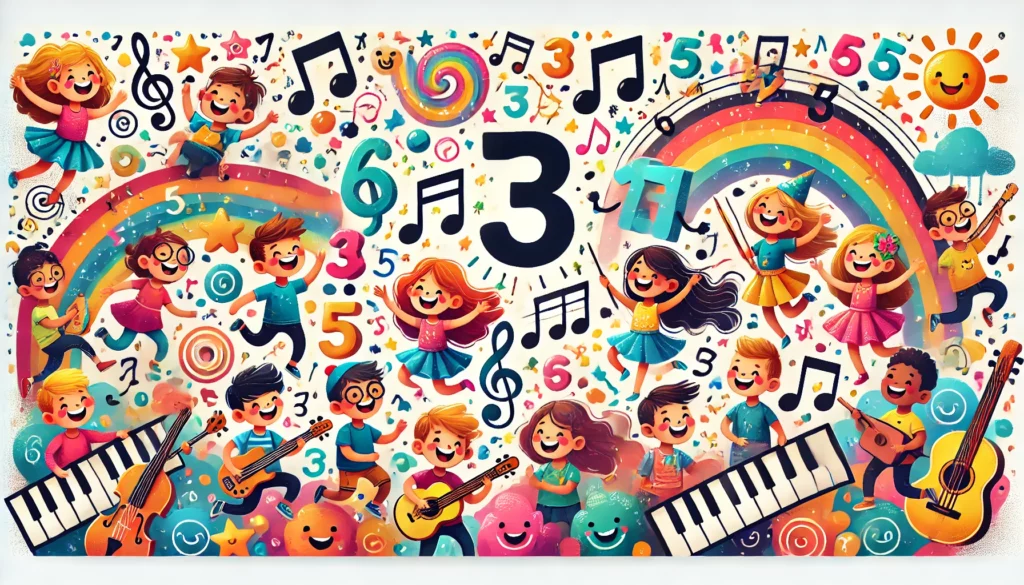
While they’re busy listening, encourage your tiny tots to get their fingers moving as they count. Think of it like, 1, 2, 3, 4, 5… and hey, I just scooped a fish alive. Bring in toys or decorative stuff to spice up the visuals. For instance stop the song suddenly, then ask your little listeners what number follows next.
2. LEGO Maths Game
LEGO is a fun toy that can make maths classes more exciting with interactive games. To play the LEGO Math Game, you need building game blocks of various shapes and sizes, a box and some paper and a pencil. Kids can close their eyes softly, then reach in to pick up two random LEGO bits from the bin.
They can have fun adding or taking away dots on their bricks and recording the results on paper. This amusing game helps kids learn addition and subtraction while exploring different shapes.
Benefits:
- Encourages hands-on learning and engagement.
- Helps children understand basic mathematical concepts.
3. Doodle Scavenger Hunt
The Doodle Scavenger Hunt is like a fun grocery shopping trip paired with an exciting classroom lesson! It’s all about hunting down treasures while learning how to use new cool tech stuff. To start, tell the kids to find a set amount of things, for example “Go hunt for four pencils.”
Once they’ve got their hands on these items, they can do just as many ticklish tasks on DoodleMaths software. This app offers playful actions and game time, giving out stars as rewards which help them build their very own robot buddy.
4. Playing with Numicon Shapes
Using Numicon shapes is a great way for kids to grasp numbers and get better at counting. For this fun task, you’ll need some cool Numicon figures, either baseboards or plain white paper. Start by matching the Numicon blocks with their same-color patterns shown on starter boards.
Cheer the children on as they count how many dots each shape has and draw out its overall form too. This game not only makes them better at understanding numbers but also helps develop their hand-eye coordination as they pick up and place the figures accurately. What’s more, chatting about all these oddly-shaped pieces in various colors can make learning much more exciting and interactive for our little learners!
5. Board games
Firstly, board games present an everlasting game of rivalry that adds a dash of fun to the skill of counting numbers. To do this activity, all you need is a simple board game, some chalk, dice along with a Tuff Tray or just plain paper. The way you play it is by rolling your dice and letting them decide how many steps you move on the board.
Furthermore, it could be climbing up ladders or skidding down snakes every bit adds to the thrill and rush. This sort of game works wonders when learning how to count while teaching kids about fairness when taking turns in playing. Participating in such exercises helps massively in enhancing Early Years Maths for kids making studies lots more enjoyable and hands-on for tiny tots.
Outdoor Activities
6. Target Tuff Tray
Let’s talk about something amusing and fun called “Target Tuff Tray“. It blends easy movement with a spot of number practice, keeping it both captivating and mellow. Furthermore, this game you need a showpiece cloth and small tossing sacks.
Young ones hurl the sacks at the bullseye cloth aiming for certain numerals. If up for an extra challenge, have them find unseen digits or carry out jobs centered around the numbers they strike.
How it helps?
- Encourage children to call out the numbers they hit to enhance number recognition.
- Use different colours of bean bags to add a layer of complexity by associating colours with specific tasks or numbers.
7. Store and Interactive Scenario
Role-playing as a shopkeeper is a fun way to help children learn the basics of money and numbers. To do this activity, you need play money like Monopoly Dollar or paper props, along with pretend items such as bins, toy cash registers and dress-up clothes.
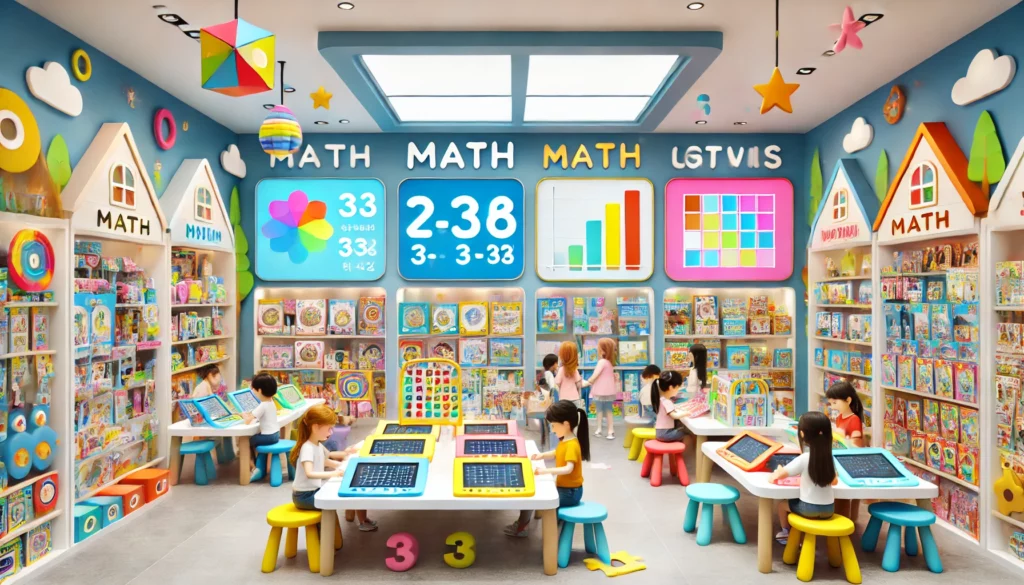
Set up a special “shop” area and show kids how to use the right amount of money correctly while also teaching them to give back change. Talk about prices, totals and costs to increase their knowledge.
8. Patterns and Practice
Jump into the amazing place of designs and ordering with hands-on, feeling-engaging jobs that reach both vision and touch. For this job, you need different things for making designs. Show examples of orders and let young learners figure out what’s next in the series.
Help children make their own designs by giving them a variety of mixed types, bright colours, special shapes and different sizes to have fun with.
- Resources needed – Various objects for creating patterns.

Conclusion
EYFS Maths activities can make early number skills more enjoyable and easier to understand. Through songs, games, patterns and everyday play, children can build confidence with counting, shapes and simple problem-solving.
If your child needs more personalised support, Early Years Maths tutors can adapt lessons to their pace and learning style, helping them strengthen key Maths skills through engaging one-to-one activities.
FAQs
What Are EYFS Maths Activities?
EYFS Maths activities are simple, play-based tasks that help children aged 0–5 build early Maths skills. They can include counting games, shape sorting, number songs, pattern activities and simple measuring tasks. These activities help children develop number sense, problem-solving skills and confidence before they move into more formal Maths learning.
What Maths Skills Should Children Learn in EYFS?
Children in EYFS should begin learning to count, recognise numbers, compare quantities, identify shapes, notice patterns and use simple mathematical language. They also start exploring ideas such as size, position, measurement and basic problem-solving. Most EYFS Maths learning happens through play, conversation and everyday activities rather than formal lessons.
What Are the Best EYFS Maths Activities to Do at Home?
The best EYFS Maths activities are simple, practical and easy to repeat. Parents can count toys, sort objects by colour or size, look for shapes around the home, build patterns with blocks or practise numbers through songs. Everyday activities such as cooking, shopping and tidying can also create useful opportunities to practise early Maths skills.
How Often Should Children Practise Maths in EYFS?
Children in EYFS benefit from short, regular Maths activities rather than long study sessions. Around five to ten minutes of counting, shape work or number games can be enough when it is built naturally into daily routines. The main goal is to keep Maths enjoyable, low-pressure and consistent.
How Can Parents Help a Child Who Struggles With EYFS Maths?
Parents can help by using simple activities, repeating key skills and connecting Maths to everyday situations. If a child continues to struggle with counting, number recognition, shapes or basic patterns, it can also help to speak with their teacher. Early Years Maths tutors can provide personalised support based on the child’s pace, confidence and learning needs.
What Are Early Learning Goals? – Full Overview