
Breaking: Major Exam Boards Cancel 2026 Exams in the UAE

Something major has just changed for students in the UAE. Several leading international exam boards have cancelled their June 2026 exam sittings in the, including Cambridge and Edexcel qualifications. For many students and parents, this news feels sudden and difficult to process, especially as exams play such an important role in future plans and university pathways. It is completely normal to feel unsure about what this means and how it might affect results.
Naturally, the biggest question right now is simple: what happens next? In this guide, we break everything down in a clear and practical way. We explain what has changed, why these changes happened and what steps students can take to stay on track.
Which Exams Have Been Cancelled in the UAE?
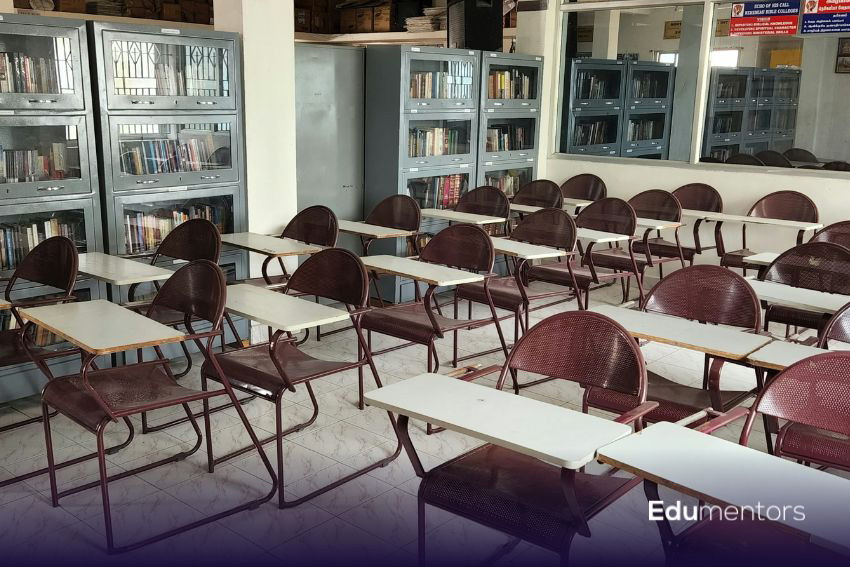
According to recent reports from Gulf News, major exam boards have cancelled exam sittings in the UAE. This disruption affects several major international exam boards, not just one organisation.Because of this, it is not an isolated change but a wider system-level shift affecting multiple exam boards and qualifications. It shows a broader disruption across international education systems and changes how schools assess students across different programmes.
The following exam boards have confirmed changes in the UAE:
For Cambridge students in particular, the June 2026 exam series will not go ahead in its usual format. The affected qualifications include:
Edexcel and IB students in the UAE are also impacted, confirming that this is a broader disruption across multiple education systems rather than a single board decision.
Why Have Exams Been Cancelled in 2026?
Regional instability has disrupted schools across the UAE and led to these cancellations. While schools remain open, official updates from the UAE Ministry of Education confirm that there has been no nationwide government cancellation of exams. Many schools have moved to remote learning, so it is harder to run exams in a normal way. Exams need the same conditions for every student, such as a quiet space, set timing and proper supervision. Right now, these conditions are not always possible.
Exam boards must make sure all students are treated fairly. If they cannot guarantee the same conditions for everyone, they use other ways to assess students. This helps keep grading fair. This approach is not new. Schools used similar methods during COVID, when exams could not take place as usual.
Is This a UAE-Only Change or Global?
No, and this is important to understand. Right now, these changes affect only a specific region. In most other countries, schools will run the June 2026 exams as planned. Students in the UK and many other places will still sit their exams in the usual way.
The news may sound global, but the impact is local. It affects only a small group of students, even though exam boards work worldwide. For now, the wider exam system stays the same, and most students will not see any change in how they take their exams.
How Will UAE Students Be Graded Without Exams?
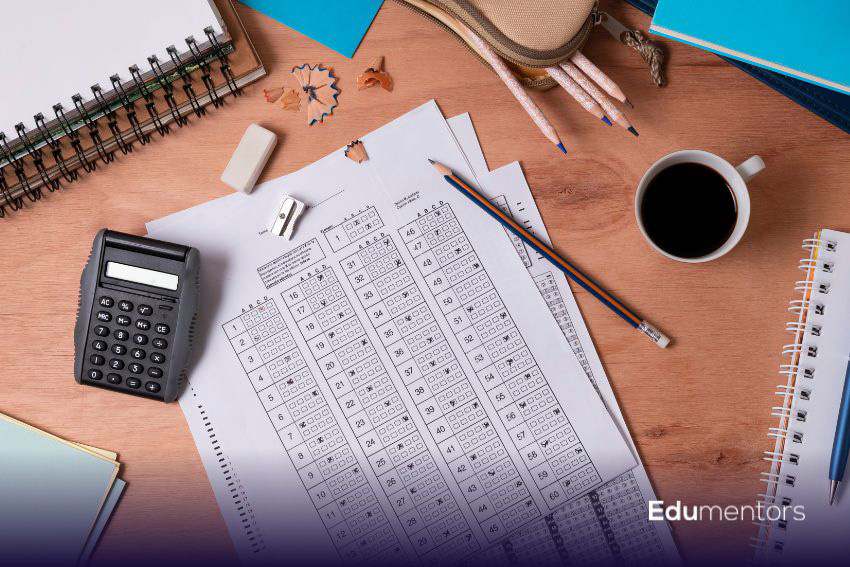
Instead of sitting written exams, students will be assessed using a method called a portfolio of evidence. This means that, rather than relying on one final exam, grades will be based on work completed over time. This approach gives a wider and more balanced view of a student’s ability, as it reflects how they perform across different tasks and not just on one day.
The portfolio may include mock exam results, class tests, coursework where it applies and teacher assessments. Each piece of work helps build a clearer picture of the student’s progress and understanding. Once this evidence is collected, it is reviewed by the exam boards and carefully checked to make sure grading is fair. The results are then standardised so that students across different schools are assessed in a consistent and equal way.
What Is a “Portfolio of Evidence” in Practise?
A portfolio of evidence is a collection of a student’s work built over time. It includes different types of tasks and shows how a student is performing day by day. It also helps teachers see both progress and understanding more clearly.
Instead of relying on one high-pressure exam, this approach looks at a wider range of work. This can reduce stress for students, but it also means that consistency matters more than ever.
What This Change Means for Students in the UAE
This change affects how students should approach their studies. Instead of focusing only on final exams, students now need to think about their work over time. Every piece of assessed work matters more, as grades are built from ongoing performance rather than one exam day. This means that daily effort and regular practise play a much bigger role.
Consistency becomes very important. Even small improvements can make a real difference to final results. At the same time, staying organised is key. Students should keep track of their work, review feedback and understand where they need to improve. By doing this, they can stay on top of expectations and feel more confident in their progress.
What Should Students Do Next?
If you are a student in the UAE, focus on what you can control. Stay in touch with your school and ask how your work will be assessed. Make sure you understand what counts towards your final grade.
Keep revising key topics and take mock exams seriously. These may play a big role in your final results. Try to stay calm and follow a steady routine. Small, regular effort over time will now matter more than one exam day.
What Should Parents Focus on Right Now?
Parents play an important role in supporting their child during this time. Things may feel uncertain, but your support can make a big difference. Stay in touch with teachers and the school so you understand how grading will work and what is expected from your child.
Help your child keep a simple and steady study routine at home. Encourage regular revision and remind them that progress over time matters. Try to reduce pressure and keep a calm environment, as this will help them stay focused. The more informed and supportive you are, the more confident and secure your child will feel.
Will This Impact University Applications?
This is one of the most common concerns, but there is reassurance here. Universities are already familiar with alternative grading systems and have adapted to similar situations in the past, particularly during COVID. As long as grades are awarded by recognised exam boards, they remain valid and accepted. Admissions teams understand the context and will take it into account when reviewing applications.
Is This a Temporary or Long-Term Change?
At this stage, the situation appears to be temporary and linked to current disruption in the region. If conditions improve, exam boards are likely to return to normal exam formats in future sessions. However, this situation highlights how flexible modern education systems have become and how quickly they can adapt when needed.
What Happens Next?
While this change may feel uncertain at first, it does not put students at a disadvantage. Assessment is still taking place and progress over time continues to matter just as much as before. Instead of relying on one final exam, students now have the opportunity to show their ability across multiple pieces of work. This means that staying consistent, organised and focused will play a bigger role in shaping final results. With the right approach and steady support, students can continue to perform well and achieve strong outcomes.
To stay on track, students should focus on a few key actions:
- Keep up with all classwork and assignments, as every piece may contribute to your final grade
- Take mock exams seriously and treat them like real exam conditions
- Stay organised by tracking feedback and areas that need improvement
- Revise regularly instead of leaving everything until the last minute
- Ask teachers or tutors for help when something is unclear
By following these steps, students can stay in control of their progress and make the most of this new assessment approach.

Conclusion
This change may feel overwhelming at first, but students do not have to manage it on their own. With exams replaced by ongoing assessment, consistent support becomes more important than ever. Having a clear plan and regular guidance can make a real difference in how students perform over time.
An online tutor can help students stay focused, prepare properly for mocks and build confidence across every topic that now contributes to their final grade. With flexible lessons and personalised support, students can keep a steady routine, stay organised and continue making progress, even during uncertain times.
You Might Be Interested In
Summer Exams 2026: Everything You Need to Know
Does My Child Need a Tutor? 6 Signs for Parents
AQA Exam Dates 2026: Full GCSE and A-Level Timetable Guide
UCAS Extra 2026: Your Second Chance to Apply
FAQs
Which exam boards made changes?
Cambridge International, Pearson Edexcel and the International Baccalaureate have all made changes that affect students in the UAE.
How will exam boards grade students?
Exam boards will grade students based on their work overtime. This includes mock exams, classwork and teacher feedback.
Should students continue revising?
Yes, students should continue revising, as consistent performance now plays a bigger role in final grades.
Can students improve their grades under this system?
Yes, students can improve their grades through consistent effort. Because exam boards assess work over time, regular practise, strong mock results and steady progress can all help boost final outcomes.